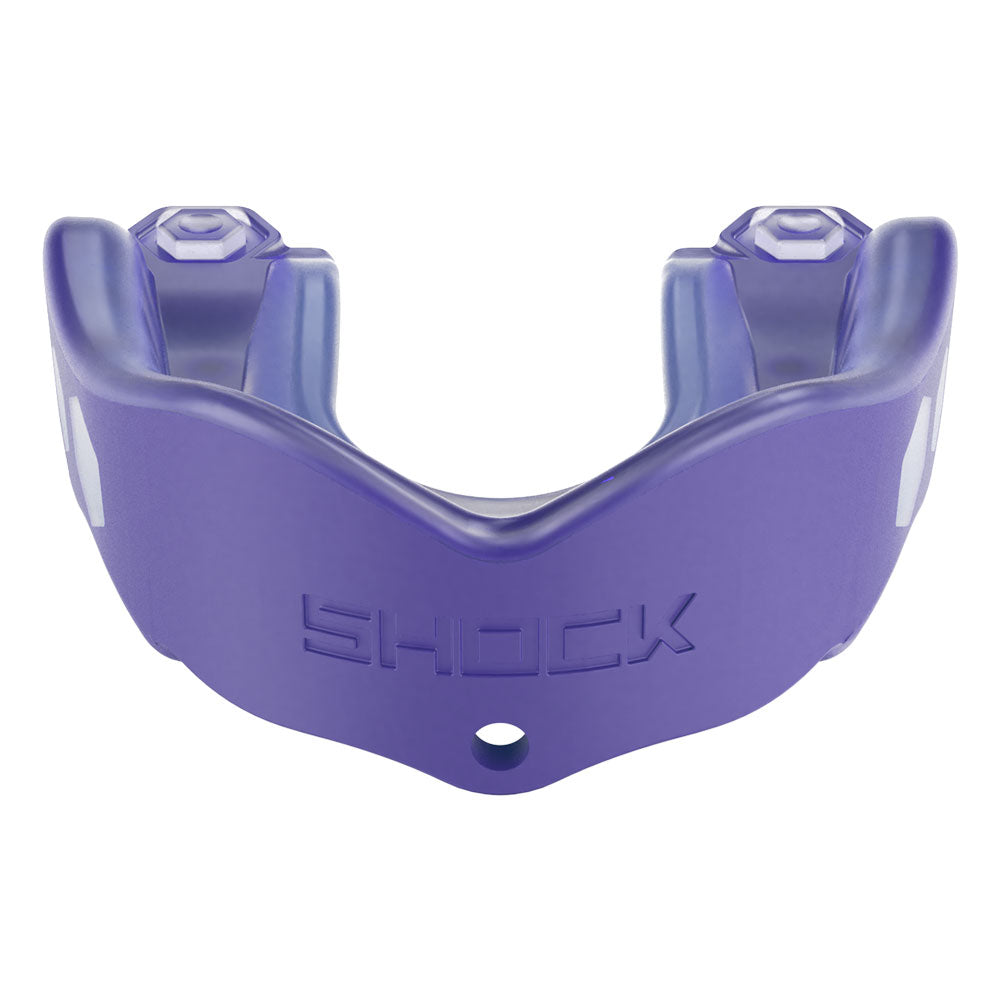
Shock Doctor Gel Max — Youth
A mold-to-fit option for families comparing mouthguard styles. Select the youth version where appropriate and follow its fitting instructions.
A few well-chosen items can help players feel comfortable and ready to play. Here’s our starting shortlist for mouthguards, eye protection, soft protective headbands and optional game-day accessories.
A properly fitted mouthguard helps reduce dental and mouth injuries. Follow the product’s fitting instructions and replace it when damaged or no longer fitting securely. ADA guidance.
A mold-to-fit option for families comparing mouthguard styles. Select the youth version where appropriate and follow its fitting instructions.
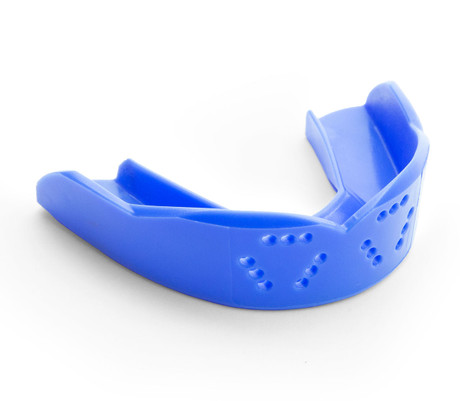
A pre-formed, mold-to-fit mouthguard available in several colors. Select the size using SISU’s current guidance; the youth version is not appropriate for every child, particularly with braces.
Braces or dental concerns? Ask your dentist or orthodontist which mouthguard and fitting method are appropriate. Don’t assume either option above suits braces. Mouthguards are not a guarantee against concussion.
Choose sports-protective eyewear rather than ordinary glasses or fashion sunglasses. Ask about impact testing for the intended sport, lens material, retention and compatibility with any headgear.
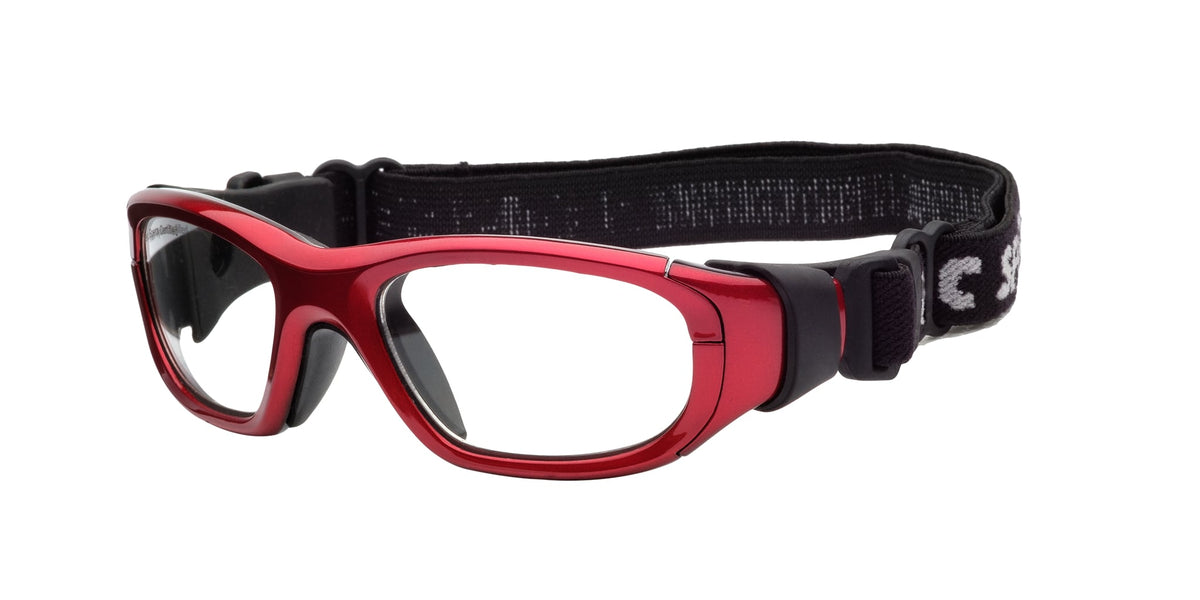
Shown here: Maxx 21 sports goggles, with prescription and nonprescription lens options. Liberty Sport also offers other styles, including Sport Shift. Discuss the right fit and lens configuration with an optician.
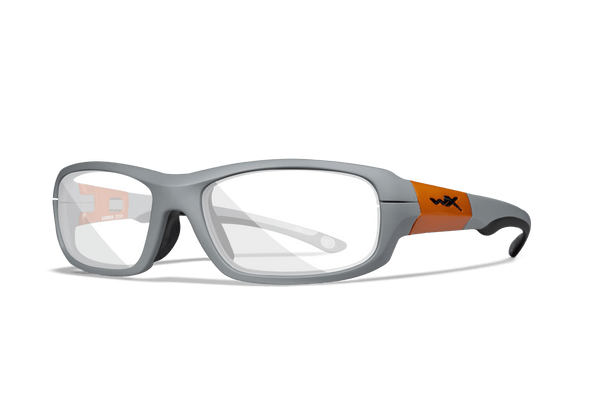
Youth sports eyewear with polycarbonate lenses and an included adjustable strap that converts the frame to a goggle fit. Wiley X lists this model as meeting ASTM F803 impact-resistance standards.
Low-profile padded headbands offer an alternative to full-cap headgear. Our shortlist focuses on this softer, less bulky style. Coverage, fit and comfort differ; an ordinary sweatband is not protective headgear.
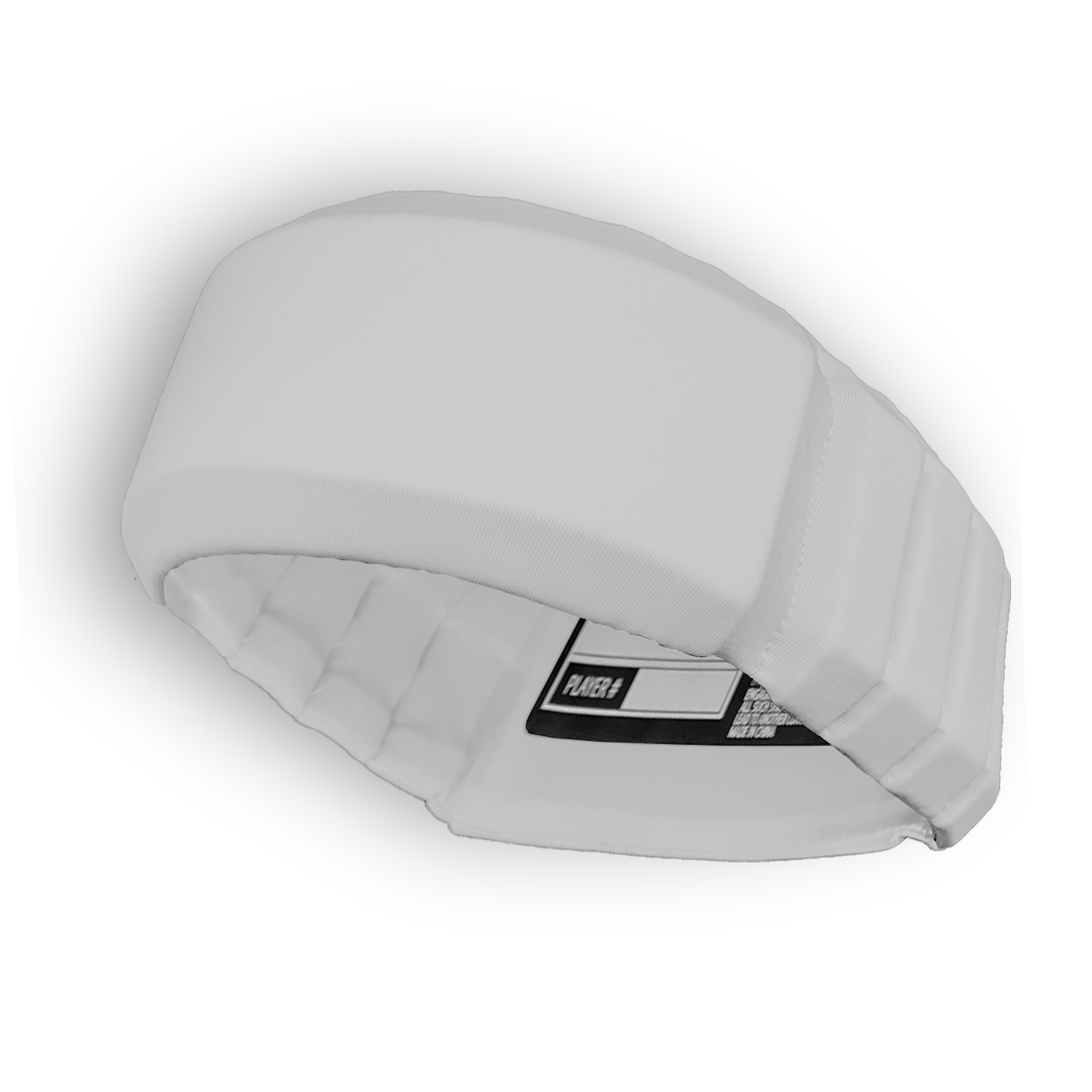
A soft padded headband available in multiple colors. Measure head circumference and use the current product-specific sizing instructions.
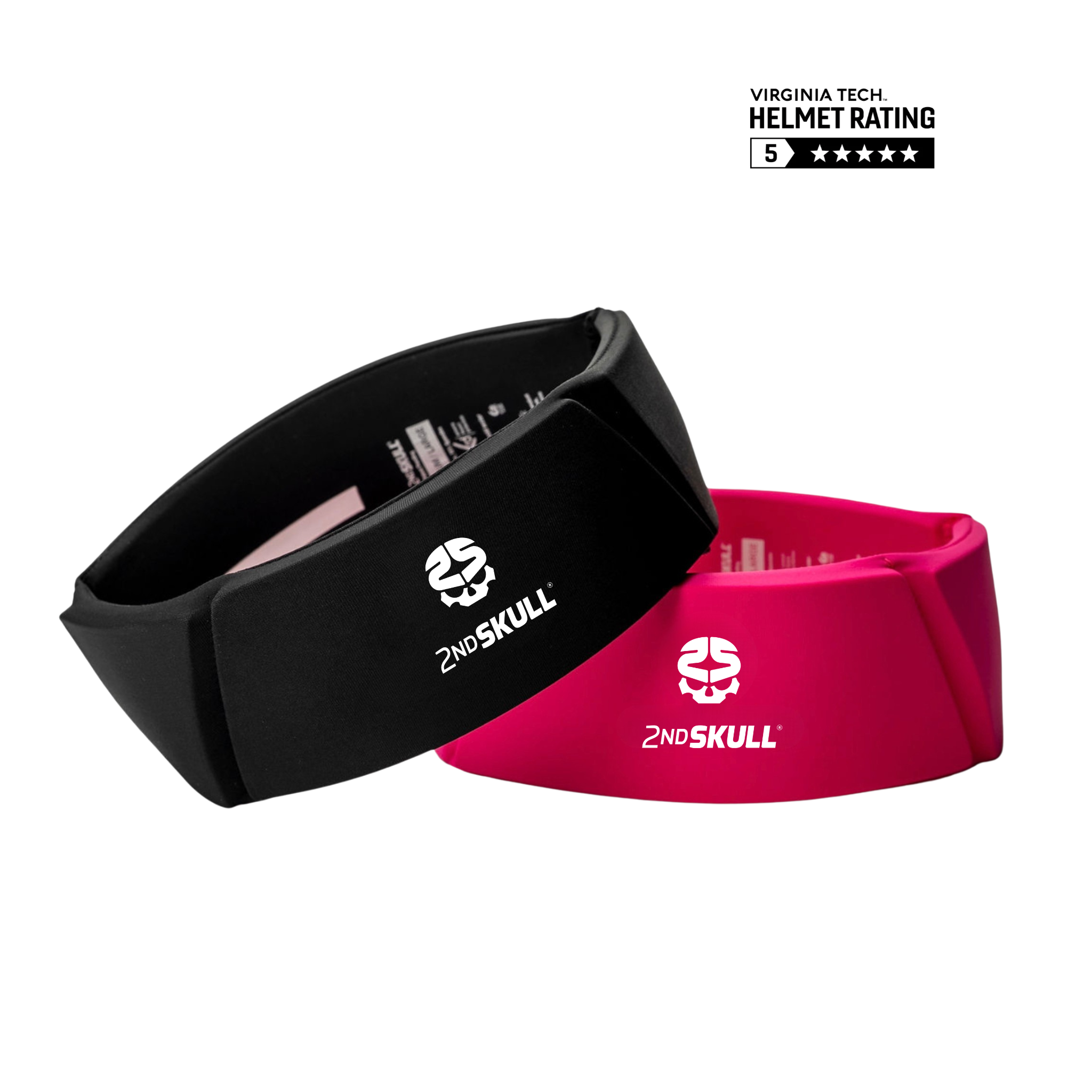
A low-profile padded headband marketed specifically for flag football and 7v7. An alternative to compare with the AURA for fit, coverage and comfort. Use the BOLT’s own head-circumference size chart.
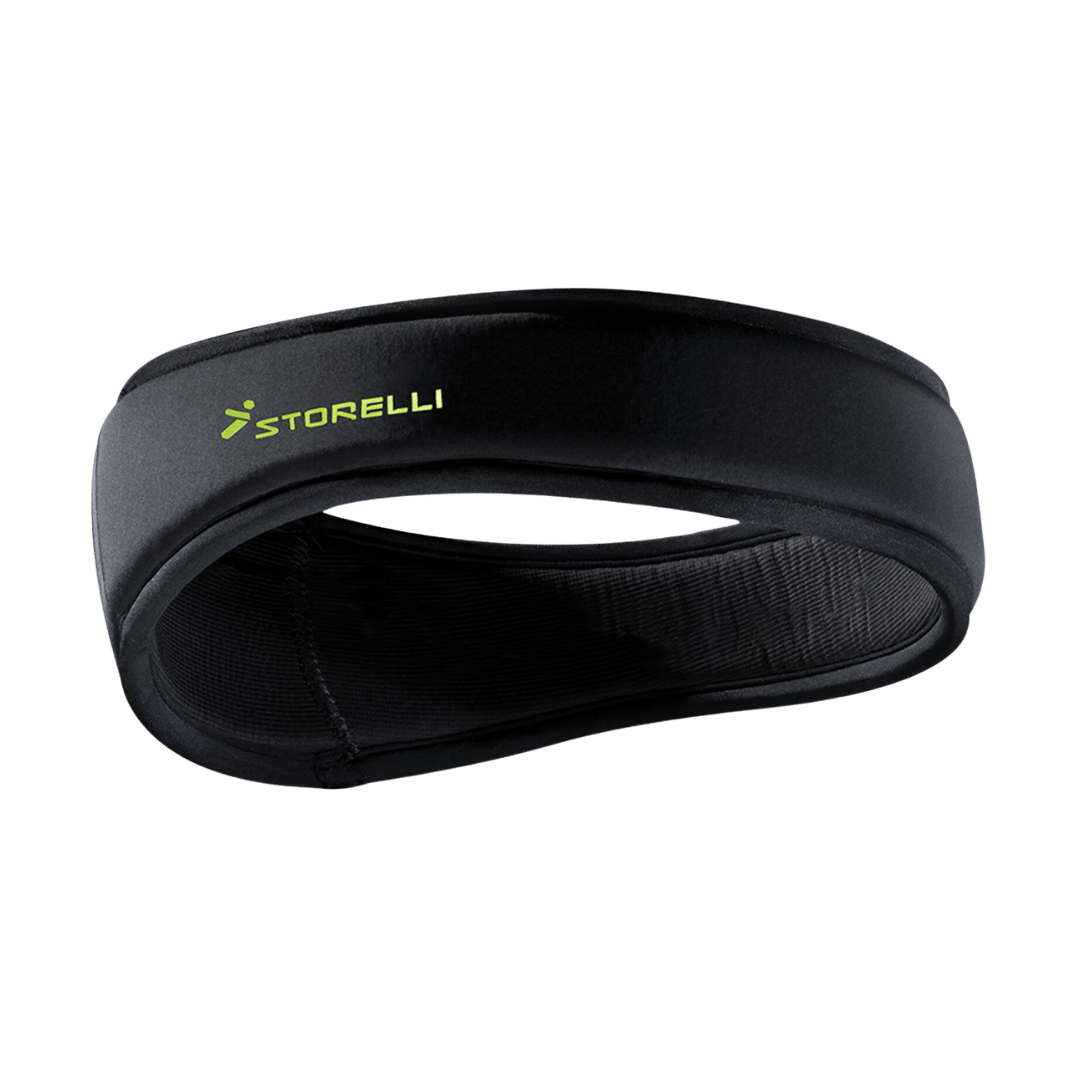
A soccer-oriented padded headguard, also listed at DICK’S. If considering it for flag, confirm suitability with the manufacturer and league before buying. A soccer test result is not automatically a flag-football rating.
No headgear is concussion-proof. Compare the exact product in Virginia Tech’s independent flag-football headgear ratings. Laboratory performance is not a promise that an individual player won’t be injured. Suspected concussion means stop playing—not “keep going because you’re wearing headgear.” See our Player Safety page and CDC response guidance.
For play on artificial-turf fields, consider molded cleats designed for artificial grass (AG) or multi-ground use (MG). These have studs designed for traction when accelerating, stopping and changing direction on synthetic grass.
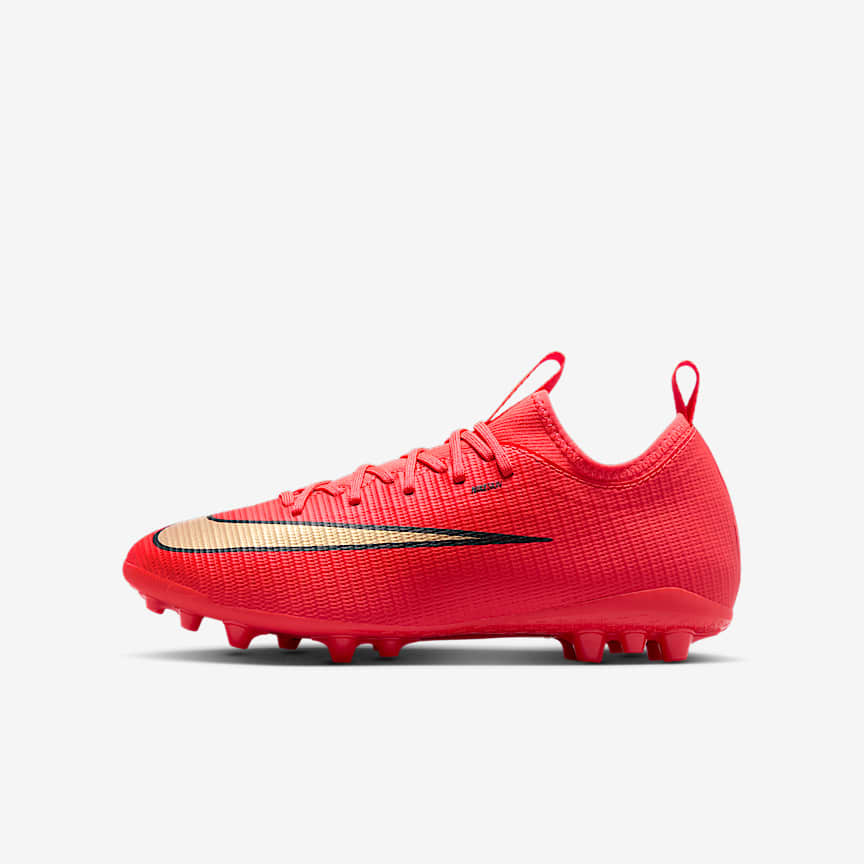
A youth cleat designed for artificial grass, with a soft upper and lightweight sole plate. Choose the AG version.
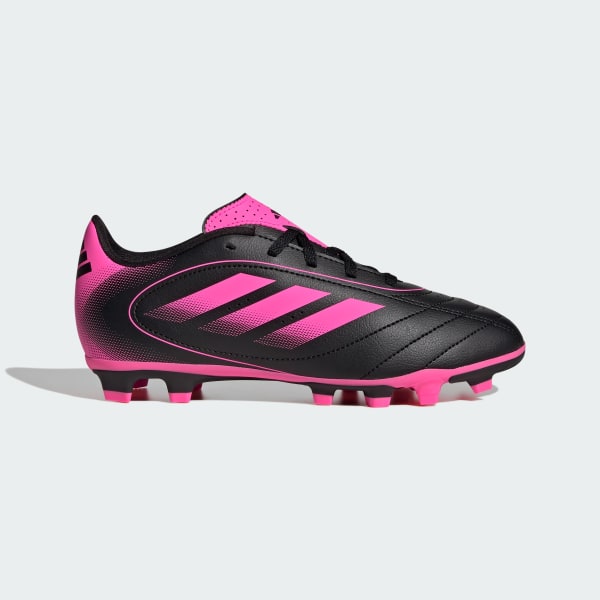
A lace-up kids’ cleat with a firm/multi-ground sole, offered in several colors. Choose the Firm/Multi-Ground version.
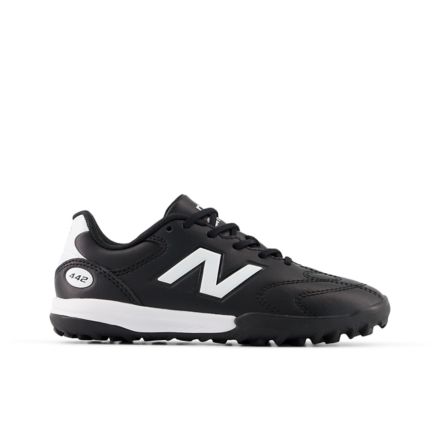
A junior turf option with a cushioned insert, lace-up fit and standard or wide widths. Select the TF version.
Some players like gloves for grip and sleeves for coverage.
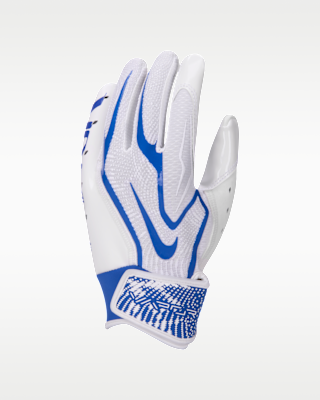
A youth receiver-glove option sold by Nike and DICK’S.
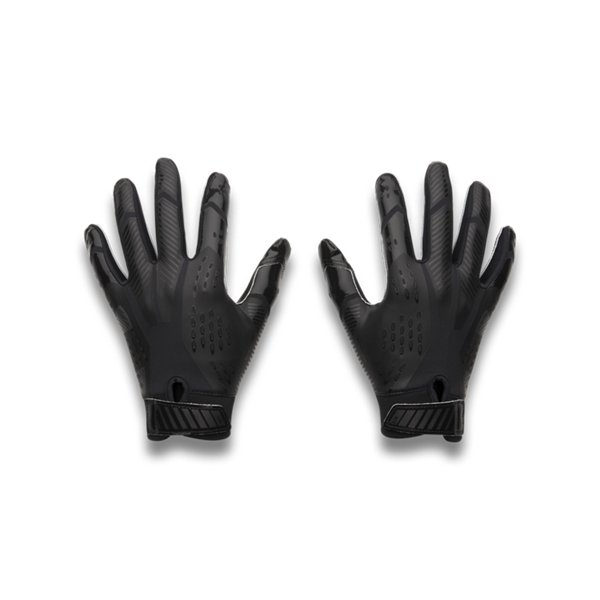
Youth football gloves with a grippy palm, breathable back and adjustable wrist closure.
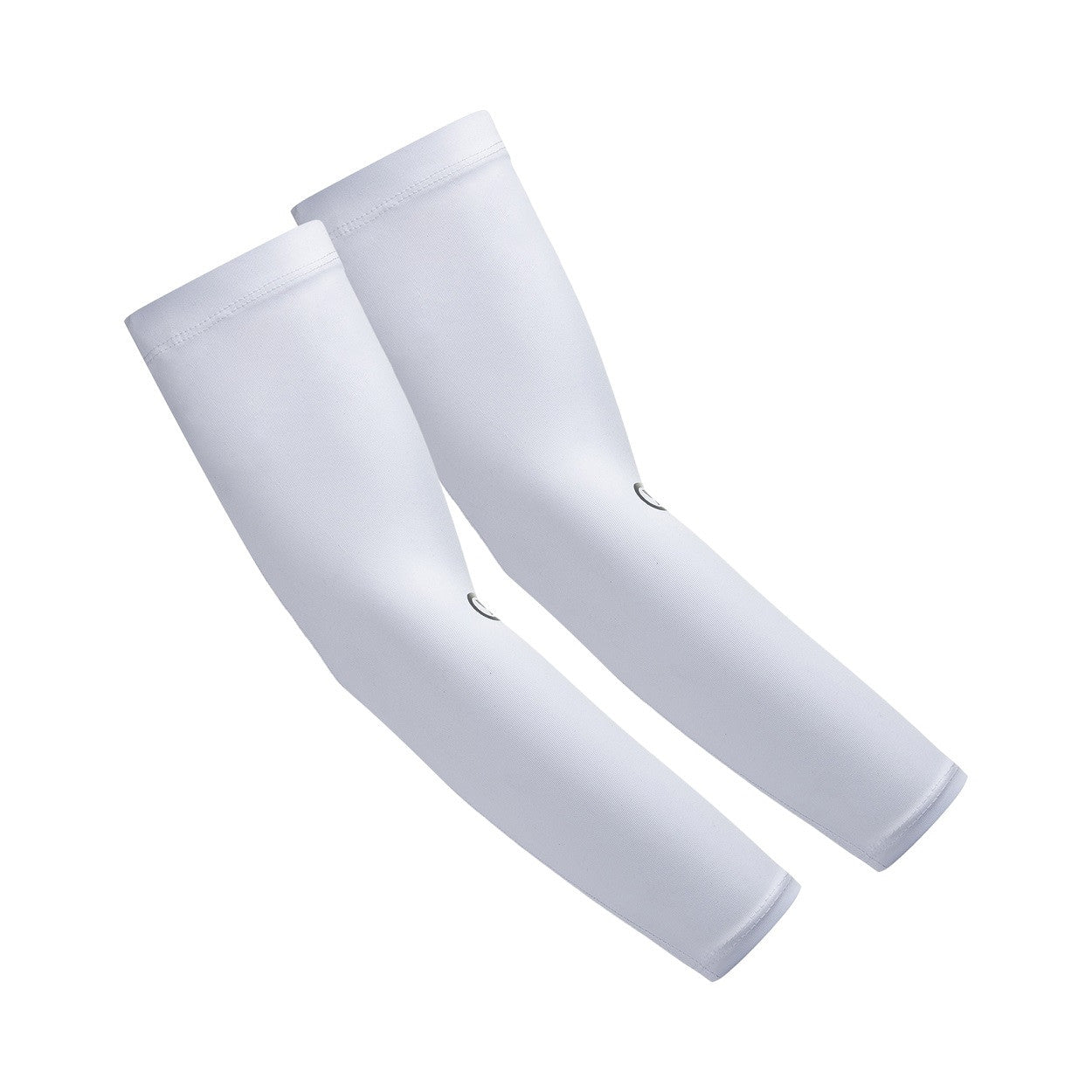
Battle Performance Full Arm Sleeves are an option for coverage and team-color style.
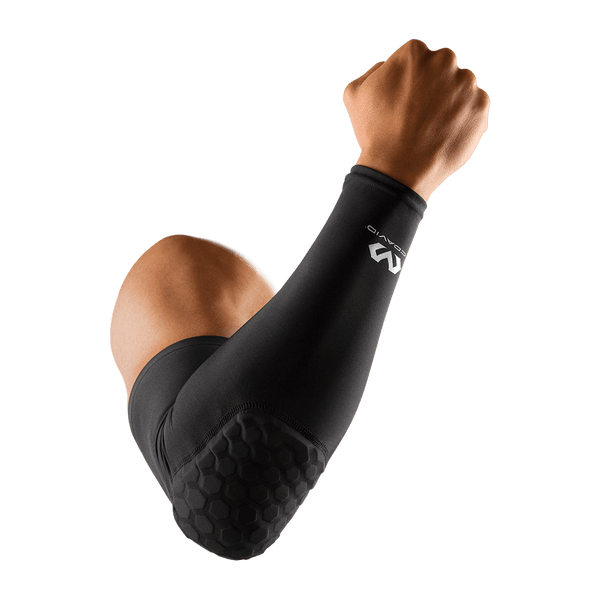
McDavid Youth HEX Shooter Arm Sleeve adds elbow padding.
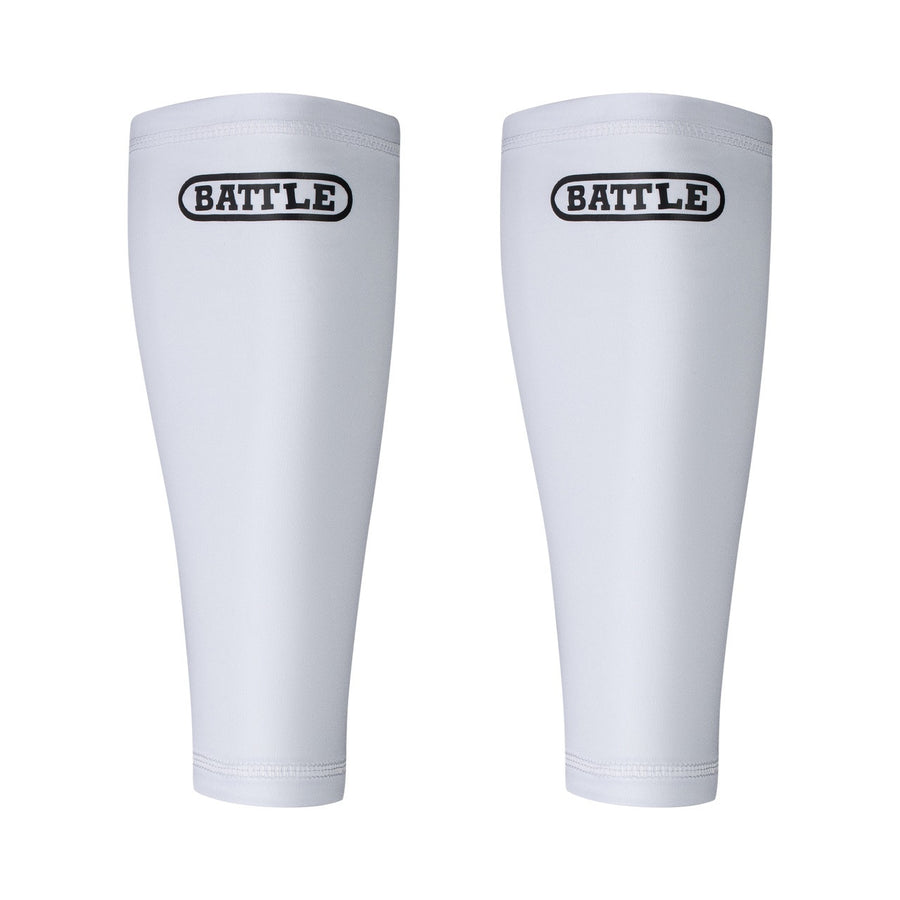
Lightweight, close-fitting coverage with sweat-wicking fabric. These can help keep bare skin off the turf, but they have no knee-impact pad and cannot guarantee against turf burn.
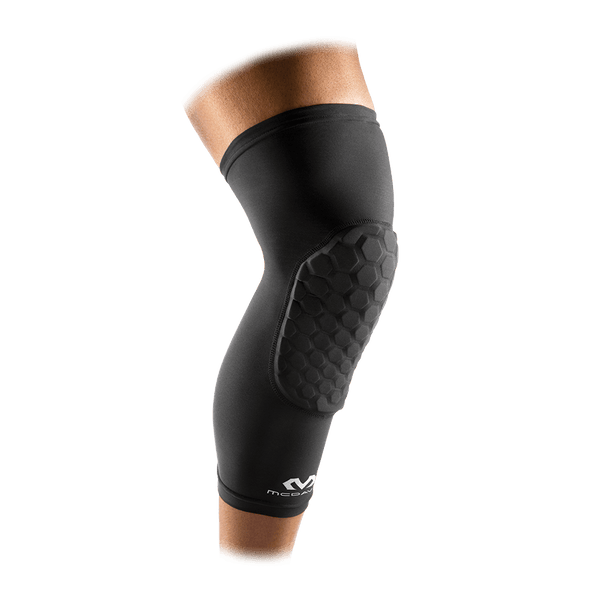
Extended fabric coverage plus 9mm soft foam padding over the knee. An option for players who want cushioning when a knee contacts the ground.
Sleeves should stay in place without bunching behind the knee or restricting running. Soft knee pads are not stabilizing braces or hard shin guards, and they do not make diving or contact risk-free. Check worn fabric and padding, especially after use on abrasive turf.
Practice tools, play-call wristbands and extra footballs to keep everyone involved.
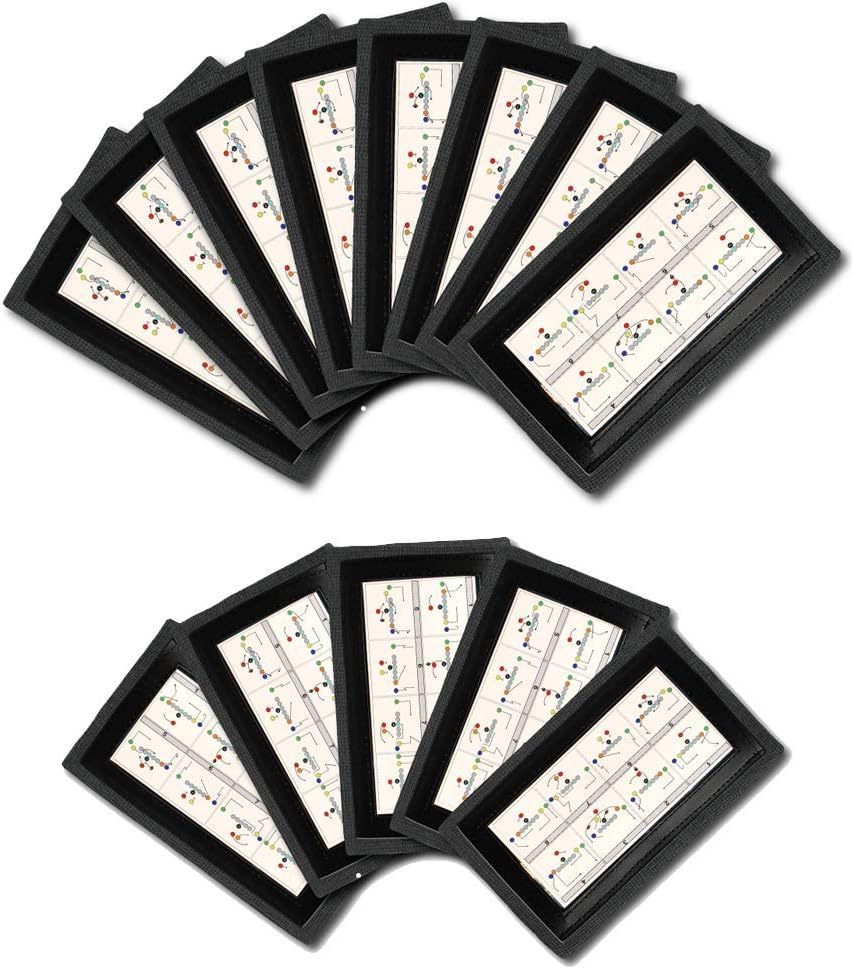
Keep printed plays close at hand so players can check their assignment in the huddle.
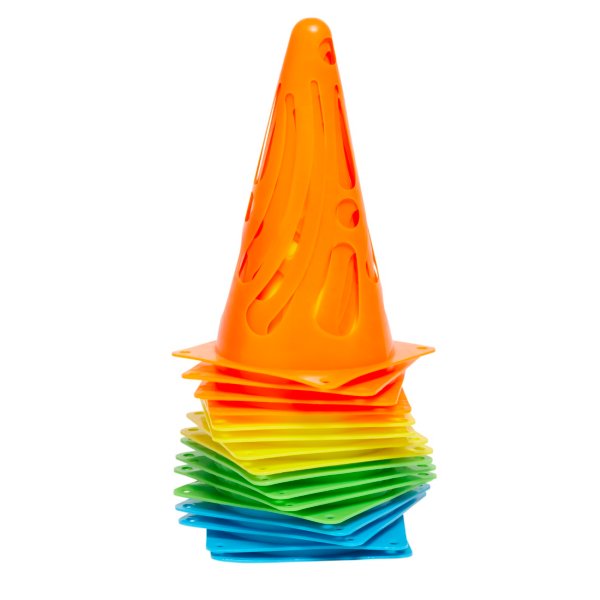
Use cones to mark practice boundaries, set up routes, and organize flag-pulling or footwork drills. A set makes it easy to split the team into smaller practice groups.
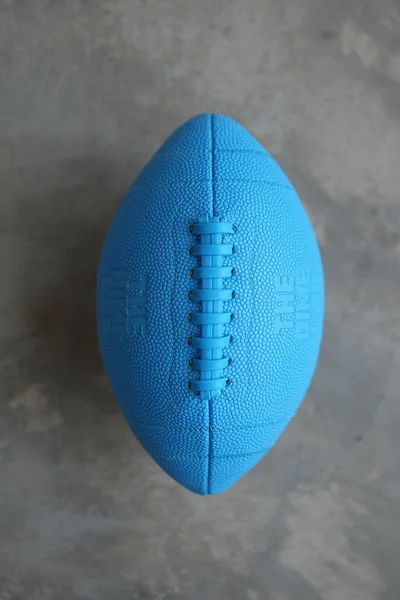
A smaller football for younger players. Available in various colors and designs; shown here in The Cape design.
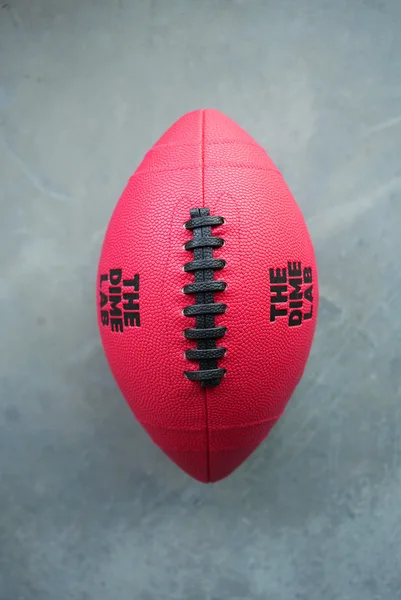
A step up from Size 5 for larger hands. Available in various colors and designs; shown here in The Dart design.
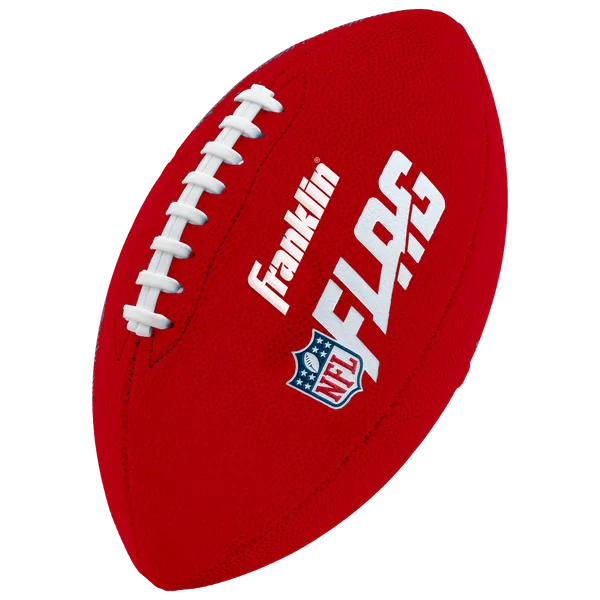
A smaller ball for our youngest players to practice gripping, throwing and catching. Select the red Mini size.